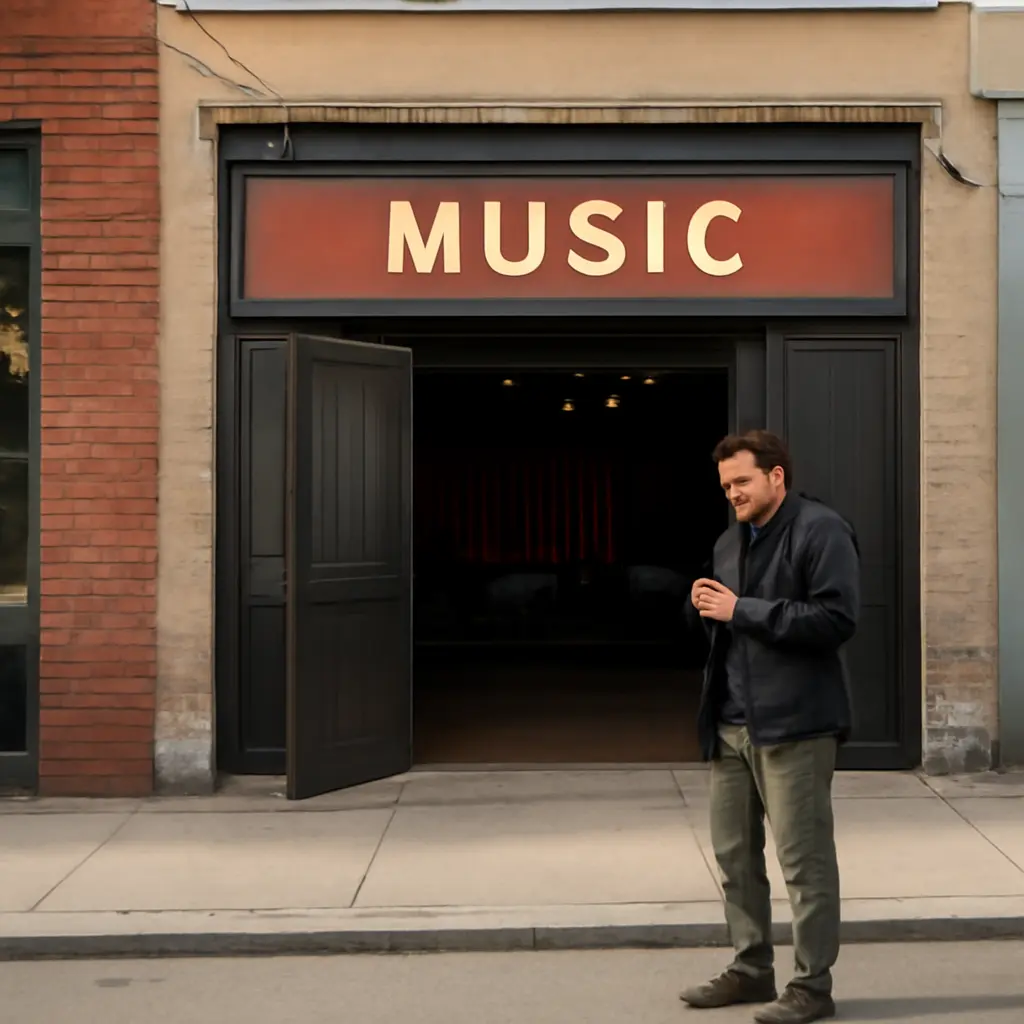
Independent music venues are small, community-rooted spaces where artists perform and audiences gather, often with far fewer financial cushions than large concert halls or arenas. Fans can help them survive by buying tickets directly, showing up consistently, spending at the venue, and supporting local advocacy. The need is substantial: the National Independent Venue Association’s 2024 annual survey reported that 64% of responding independent venues were operating at a loss or only breaking even. Those numbers help explain why everyday fan choices—from attending a weekday show to sharing a venue’s announcements—can matter.
How fan support strengthens local venue finances
Venue support means the practical actions that help a performance space meet its operating costs, maintain its programming, and stay available to artists and audiences. The National Independent Venue Association (NIVA) describes independent venues as businesses that are locally owned and operated and present live events, rather than being part of a major corporate venue chain. Their income commonly comes from tickets, food and drink, rentals, and partnerships, while expenses include rent, payroll, insurance, equipment, and event production.
The pressure is not unique to music. The U.S. Bureau of Labor Statistics reported that arts, entertainment, and recreation businesses have historically faced substantial establishment turnover, while rising operating costs affect small businesses across sectors. NIVA’s 2024 survey provides a more specific warning for independent venues: 64% of surveyed respondents said they were breaking even or losing money. The survey reflects its respondents, not every venue in the country, but it signals how thin margins can be.
Buy tickets from the venue’s official channel
Buying directly from a venue’s box office or its official ticketing link helps fans avoid resale markups and makes it easier to find accurate event information. Ticket revenue is often central to a show’s budget, but the amount a venue ultimately retains depends on contracts, ticketing arrangements, taxes, and event costs. If a show is likely to sell out, buying early can also give organizers a clearer view of demand and help them plan staffing and production.
Attend the shows that fit your budget and schedule
A full room can support a venue’s ticket income and create the lively atmosphere artists and audiences value. Fans do not have to attend every event: choosing a few shows each season, considering local openers, or going to an early-week performance can contribute to a healthier calendar. If plans change, check the venue’s refund or ticket-transfer rules and avoid unofficial resale channels that may mislead buyers.
Spend thoughtfully on site
Many independent spaces rely on bar, café, or merchandise sales to supplement tickets. Buying a drink or snack where available, and purchasing artist merchandise directly from the performer, can help keep more money connected to the local event. Be considerate of venue policies, minimums, and accessibility needs; support should never require spending beyond your means.
Direct spending helps with immediate cash flow. But venues also depend on the people and relationships that make a show possible, so fans can strengthen the local ecosystem by supporting artists and helping audiences discover events.
How fan participation builds a stronger local music ecosystem
A local music ecosystem includes venues, artists, promoters, technicians, audiences, and nearby businesses. The National Endowment for the Arts has documented the role of arts participation in community life, while studies of creative economies show how cultural activity can contribute to local employment and commercial activity. A venue’s value therefore extends beyond the room: it can provide a stage for emerging performers, paid work for event professionals, and a reason for audiences to spend time in a neighborhood.
Discover and share local bills
Following venue newsletters, social accounts, and event calendars is a simple way to learn about smaller acts and less-publicized dates. Sharing an official event listing with friends can help a show reach people who might not follow the artist yet. When recommending an event, include practical details such as age restrictions, doors and show times, transit options, and accessibility information if the venue provides it.
Support artists as well as the room
Independent venues and performers often depend on one another: artists need stages, and venues need compelling events that bring audiences through the door. Follow local musicians, listen to their releases through legitimate services, buy merchandise from them, and credit performers when sharing clips or photographs. If you take photos or video, follow the artist’s and venue’s recording policies rather than disrupting the show.
Make attendance accessible and welcoming
A durable audience is broader than the people who already feel at home in a concert space. Fans can help by welcoming newcomers, respecting staff and performers, following conduct rules, and sharing accurate information about seating, entry, and accessibility. If cost is a barrier, look for discounted tickets, all-ages events, community programs, or volunteer opportunities—but confirm that any volunteer arrangement is legitimate and does not replace paid work improperly.
Showing up and spreading the word can help, but the stability of a venue also depends on wider business conditions. Fans can support fair local policy and respond constructively when a venue faces a specific threat.
How local advocacy can protect independent venues
Venue advocacy is organized action to preserve performance spaces and the conditions that allow them to operate. NIVA was formed during the COVID-19 crisis, when shutdowns threatened independent stages across the United States. Its advocacy contributed to the federal Shuttered Venue Operators Grant program, administered by the Small Business Administration. The program ultimately provided more than $16 billion in grants to eligible live venue operators, promoters, and related businesses, according to the SBA. That extraordinary emergency response illustrates how public policy can matter when ordinary ticket sales stop.
Speak up when a venue faces a local threat
Noise complaints, redevelopment, rising rents, zoning rules, and construction can all affect a venue’s ability to operate. If a venue asks for community support, fans can attend public meetings, submit respectful comments, or contact local representatives. Focus on verified facts and the venue’s stated needs; avoid spreading rumors or making claims about a dispute that have not been confirmed.
Back policies that recognize live music’s public value
Local governments can influence venues through planning, permitting, cultural funding, business support, and rules that clarify responsibilities for new developments near established music spaces. Fans can ask candidates and officials how they plan to support independent cultural businesses, and they can support organizations that represent venues and artists. Advocacy is most effective when it is specific: identify the policy, explain who is affected, and offer a practical remedy.
Use crowdfunding and benefit events carefully
Crowdfunding, benefit concerts, and gift-card campaigns can provide timely assistance when a venue has a clear, immediate need. Before contributing, verify that the campaign is authorized by the venue, understand how funds will be used, and review any conditions or expiration dates. These efforts can help bridge a shortfall, but they are not a substitute for sustainable revenue, fair contracts, or supportive local policy.
A practical fan plan for helping venues survive
Fans do not need to be wealthy or attend every show to make a difference. A modest, consistent plan can direct support where it is most useful:
- Choose one nearby independent venue and subscribe to its official event updates.
- Buy tickets through the venue’s authorized channel and attend when you can.
- Consider a weekday show, an emerging artist, or an event outside your usual genre.
- Spend on site if it fits your budget, and buy artist merchandise directly from the performer.
- Share official listings and invite friends who may enjoy the event.
- Respond to venue requests for verified community or policy support.
For a visual snapshot of the challenge, an article graphic could show NIVA’s 2024 survey finding that 64% of surveyed independent venues were breaking even or operating at a loss, alongside a simple diagram of common venue income streams: tickets, concessions, rentals, and partnerships. The graphic should label the survey year and clarify that the figure describes respondents, not every venue.
Conclusion: Keep local venues part of the community
Independent venues connect audiences with artists, support local event workers, and give communities places to gather. Yet NIVA’s 2024 survey finding that 64% of responding venues were breaking even or losing money shows how fragile the business can be. Fans can help by buying official tickets, attending consistently, spending thoughtfully, discovering local artists, and advocating when a venue faces a concrete threat. Start by following a nearby venue’s calendar and choosing a show to attend; then encourage friends and local decision-makers to treat live music spaces as valuable parts of community life.
Sources: National Independent Venue Association, 2024 Annual Independent Venue Survey, https://www.nivassoc.org/; U.S. Small Business Administration, Shuttered Venue Operators Grant program, https://www.sba.gov/funding-programs/loans/covid-19-relief-options/shuttered-venue-operators-grant; National Endowment for the Arts, Arts and Cultural Production Satellite Account, https://www.arts.gov/impact/research/arts-data-profile-series/adp-31; U.S. Bureau of Labor Statistics, Business Employment Dynamics, https://www.bls.gov/bdm/